

Hiring the best interior designer KC is a perfect choice when designing a new office or home and can have beneficial results like more comfortable living and excellent organization. The value of a renovation project can also be ensured by knowing the fair charge that you must pay for quality services from a professional interior decorator in KC.
The optimum ways to employ an interior designer in business and domestic settings depend on your understanding of the trends in the industry. We look at the history of modern interior design, the current trends, and the pros and cons of hiring an interior designer. As an interior designer in Kansas City, we partner with designers, homeowners, and businesses of all sizes to supply top-tier quartz countertops. Get in touch with us now to learn more about the different services we offer to our customers.
Who is an Interior Designer?
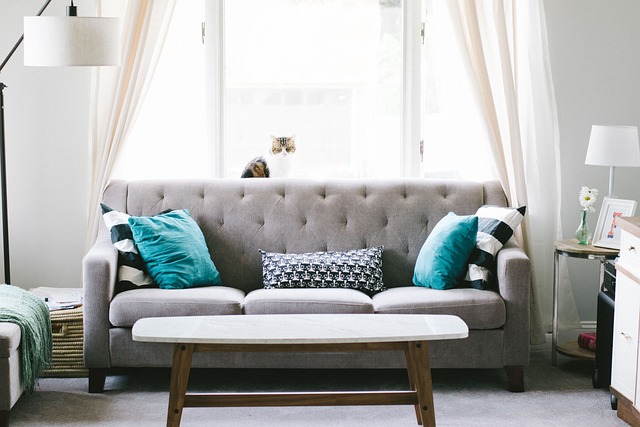
An interior designer is a professional who performs a variety of technical analyses and needs assessments to learn about the people who will be using the space and how they will be using it. They make use of modern and contemporary methods when implementing diverse components. They have much knowledge about popuklar interior home de
These include furniture, construction, fixtures, and modular living to set up an optimal place for its intended function. Interior designers are responsible for deciding how to decorate a room or a whole building, bridging the gap between a home’s practical and aesthetically pleasing aspects. Interior designers can give tips or do whole remodels to make your bathroom more modern.
Why Do You Need to Hire An Interior Designer?
If a client lives in a multi-family dwelling or regularly hosts large gatherings of guests, they may want to consider hiring an interior designer. An interior designer will also be helpful if the home’s main living area serves many purposes, like hosting an in-house restaurant, a home office (SOHO), or a small business.
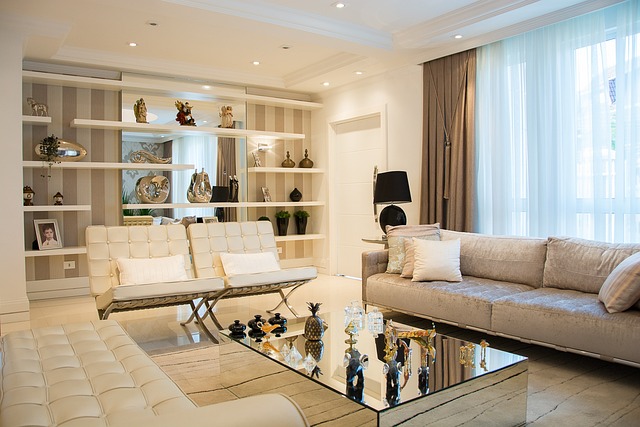
Acoustics, visibility, architecture, and compartmentalization become more critical in multi-use spaces. By bringing together different use cases for a single space so that they can coexist and be quickly deployed as needed, interior designers can create innovative and practical designs that residents will appreciate.
Interior designers can help commercial property owners maximize occupancy and functionality by determining each room’s intended use. Working with an Interior Designer may be a creative process, particularly when separate, quiet areas for work and communal spaces for meetings are required.
A practical consideration is that employing an Interior Designer helps protect customers from being taken advantage of by construction firms. A designer’s deliverable is a set of drawings that detail the work to be done down to the smallest measurement and construction feature.